
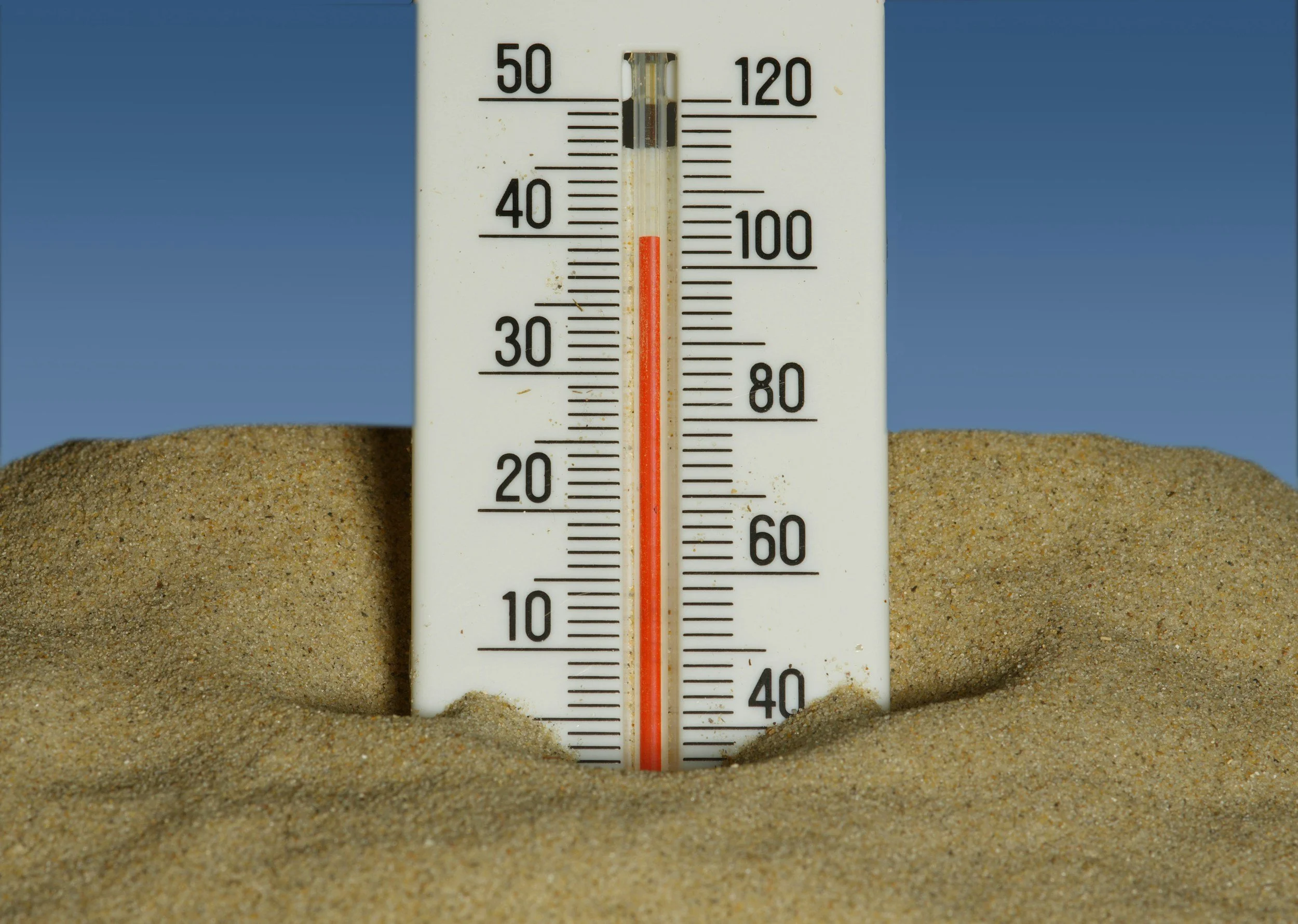
When an official heatwave warning hits Ontario, our phones at Trent Valley Mechanical start ringing off the hook. Consecutive days of extreme heat and soaring humidex levels don't just put a strain on our bodies—they push home cooling systems to their absolute breaking point.
Whether you are trying to keep your current air conditioner or heat pump from quitting on the hottest day of the year, or you are trying to stay safe without any cooling at all, here is your official heatwave survival guide.
How to Protect Your AC or Heat Pump from a Sudden Breakdown
When the outdoor temperature pushes past 30°C, your air conditioner has to work twice as hard to maintain a comfortable indoor climate. To prevent a costly emergency breakdown, follow these three rules:
Avoid the "Thermostat Trap": If your home is sitting at 26°C, dropping your thermostat down to 16°C will not make the air come out any colder or cool the house any faster. It simply forces your system to run continuously without a break, which easily leads to an overheated compressor and total system failure. Instead, pick a steady, manageable temperature like 22°C to 24°C and let it run its normal cycle safely.
Keep the Airflow Clear: Airflow is the lifeblood of your cooling system. A dirty $16\times25\times1$ furnace filter or an outdoor condenser choked with grass clippings, cottonwood, and dirt will suffocate the system, spike your hydro bills, and cause the indoor coils to freeze solid. Check your filter today, and gently clear any debris away from your outdoor unit.
Lock Out the Midday Sun: Your AC shouldn't have to fight the sun. Close all blinds, curtains, and awnings on south- and west-facing windows during peak afternoon hours. Keep your windows shut tightly during the day; cracking them open just lets heavy, humid air inside, forcing your system to work overtime.
No AC or Heat Pump? How to Keep Your Home Cool Safely
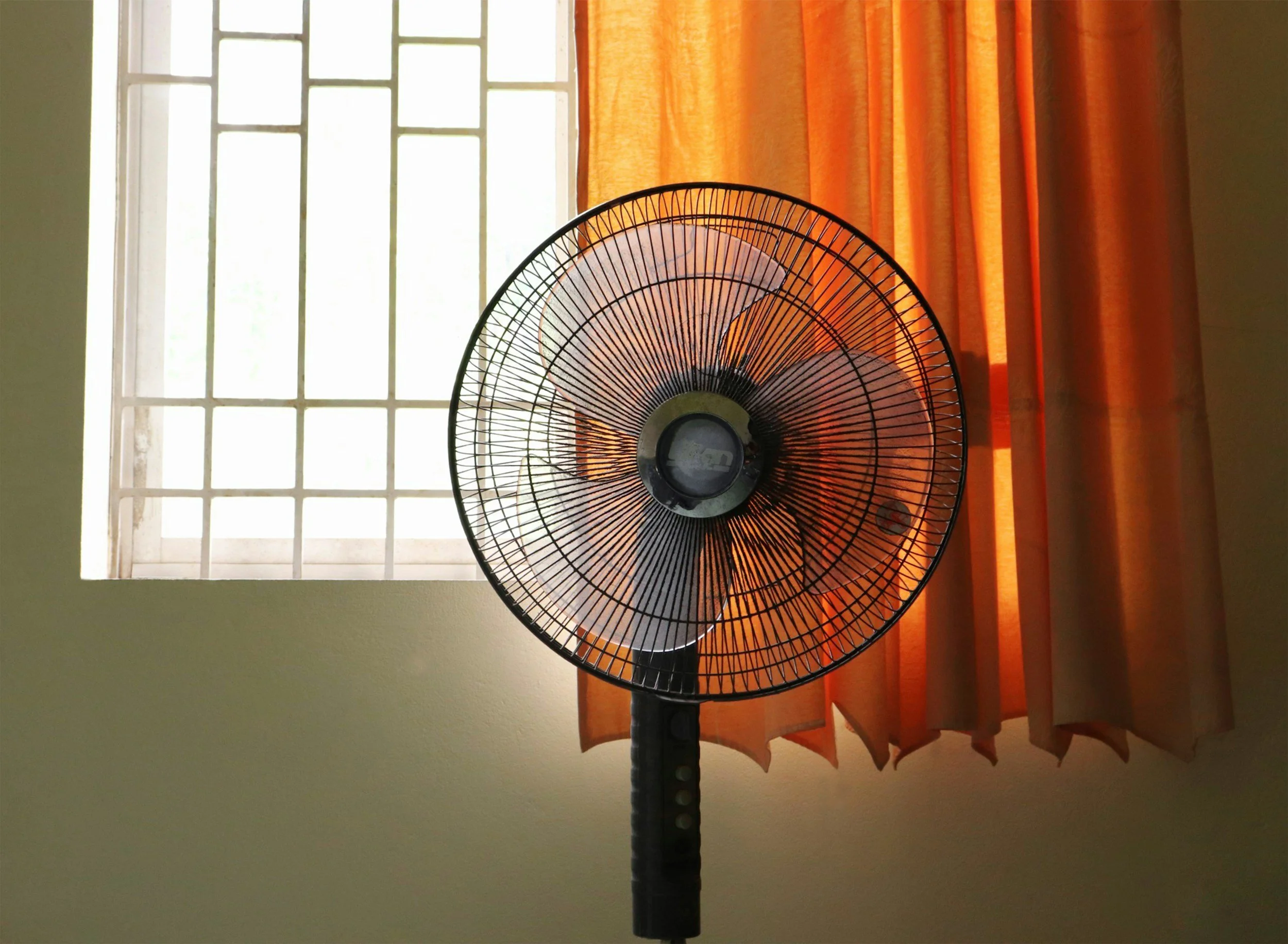
If you don’t have a central cooling system or a ductless mini-split like a sleek Quilt system, managing a heatwave takes a bit of strategy. Sustained indoor heat above 26°C can become dangerous quickly. Use these tips to get immediate relief:
The Cross-Ventilation Strategy: Keep your windows and doors shut tightly during the blazing afternoon heat to trap cooler morning air inside. Only open them up at night if the outdoor temperature drops below your indoor temperature, using box fans in the windows to actively pull the crisp night air through your home.
The "Ice Fan" Trick: Fans cool people, not rooms, by evaporating sweat off your skin. To supercharge your fan, place a shallow bowl full of ice or frozen water bottles directly in front of the breeze. This creates a DIY evaporative cooling effect that blows a noticeably chilled mist across the room.
Utilize Local Cooling Centers: Don't hesitate to take a break from a hot house during peak sun hours (11 AM to 4 PM). Head to public air-conditioned spaces like your local library, community center, or shopping mall. Just a couple of hours in a cooled environment gives your core body temperature a safe chance to reset.
Hydrate and Check In: Drink water constantly, even if you don't feel thirsty, and avoid heat-heavy appliances like your oven or clothes dryer. Most importantly, check in on elderly family members, neighbors, or pets who live alone to ensure their living spaces are safely staying within a reasonable temperature.
Need Emergency Cooling Support? We're on Standby.
If your air conditioner or heat pump gives out in the middle of a heatwave, don’t panic. The licensed team at Trent Valley Mechanical is fully operational and ready to respond. We offer fast, reliable, 5-star emergency service across Northumberland, Peterborough, Clarington, and Quinte West to get your home comfort restored safely.
📞 Need service right now? Call or text us 24/7 at +1 (289) 269-6131 or click Schedule Service at the top of our page to book an appointment!